


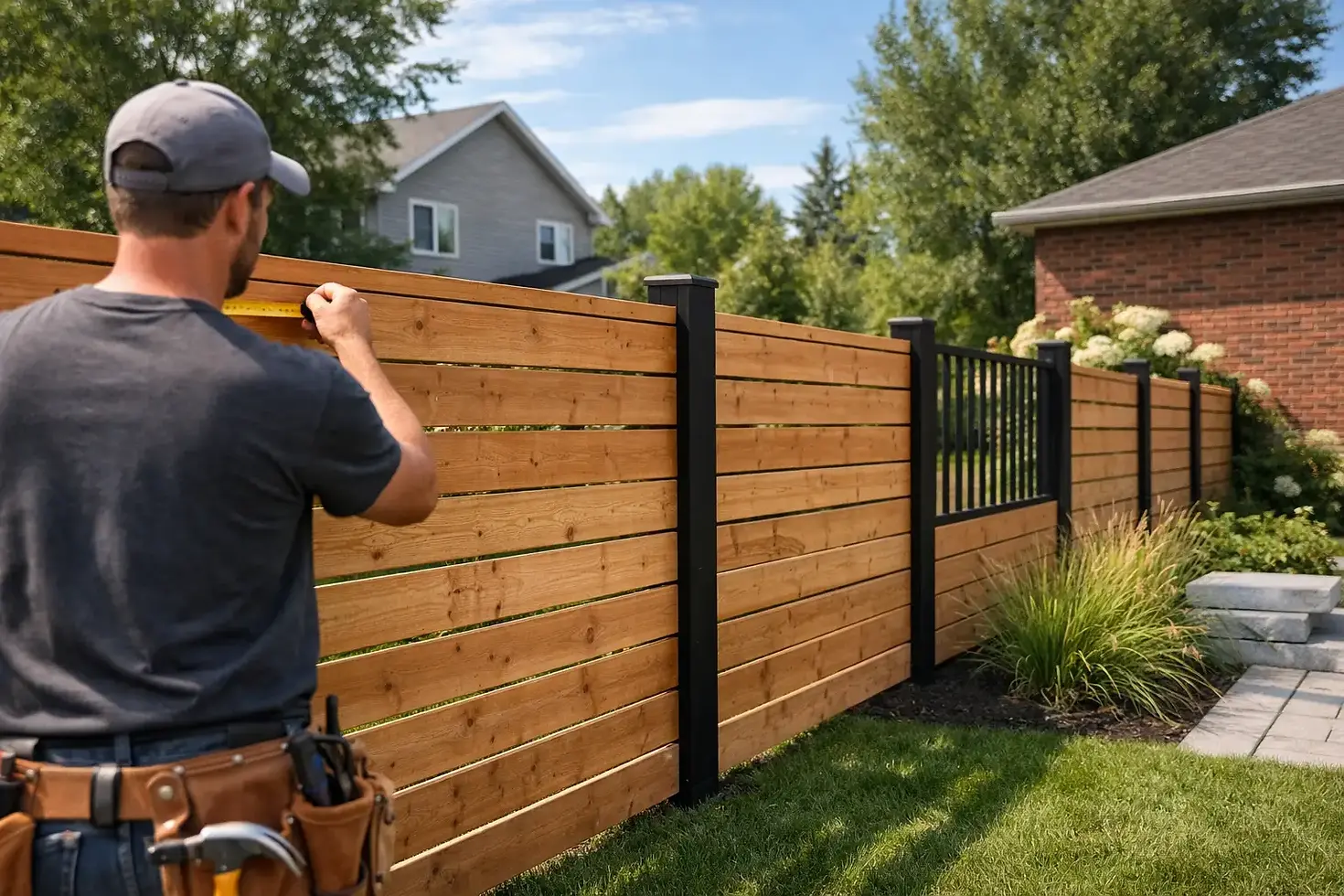
Custom Fence Installation Ottawa for Better Yards
A fence can do far more than mark a property line. The right custom fence installation Ottawa homeowners choose can create privacy around a pool, frame a new patio, make a backyard safer for children and pets, and give the entire property a more finished appearance. When it is designed around your yard instead of pulled from a one-size-fits-all plan, a fence becomes part of the outdoor living space.
For Ottawa homeowners investing in patios, decks, landscaping, or a complete backyard transformation, fencing deserves the same design attention as every other feature. Height, material, gate placement, sightlines, and the way the fence meets your hardscape all influence how the finished space looks and feels.
A Custom Fence Should Solve More Than One Problem
A fence often starts with a practical need. You may want to block views from a neighboring property, contain a dog, define a pool area, or replace an aging structure that has started to lean and deteriorate. Those needs matter, but a well-planned fence should also improve the way you use the yard.
A tall privacy fence can make an open suburban backyard feel more secluded without closing it in. A horizontal board design can bring a clean, modern look to a contemporary home. A carefully placed gate can create a direct route from the driveway to a backyard patio, making entertaining and seasonal maintenance easier.
The best approach depends on the property. A narrow side yard needs a different solution than a corner lot with long, visible fence lines. A backyard with mature trees, a grade change, or a new pool surround also requires planning that respects the site rather than forcing a standard layout onto it.
Custom Fence Installation in Ottawa Starts With the Yard
Ottawa properties face real seasonal demands. Deep frost, spring thaw, heavy rain, snow accumulation, and shifting ground can all affect the performance of a fence over time. A polished design is only valuable if the structure beneath it is built to stay straight, secure, and functional through changing conditions.
That is why the installation plan matters as much as the finished style. Posts need appropriate depth and placement. The fence line needs to account for slopes, drainage patterns, existing trees, utility locations, and access points. Gates need room to swing and enough support to avoid sagging with regular use.
A custom plan also prevents awkward visual compromises. Instead of ending a fence abruptly beside a patio or forcing panels across uneven ground, the layout can be shaped around the architecture and landscape. The result feels intentional from every angle, whether you are looking at it from the kitchen, the deck, or the street.
Privacy Without Making the Yard Feel Smaller
Privacy is one of the most common reasons homeowners build a fence, yet complete enclosure is not always the best answer. Solid panels can create a calm, protected setting around a seating area or hot tub, but they can also block light and make compact yards feel enclosed.
The solution may be a full privacy design, a partial screen near the area where privacy matters most, or a combination of solid fencing and planted greenery. In some yards, a lower open-style fence along one boundary paired with a taller privacy section near a patio creates better balance. The goal is not simply to block every view. It is to create a backyard that feels comfortable, open, and yours.
Gates Deserve the Same Attention as the Fence
A gate is a working part of the project, not an afterthought. It may be the route for lawn equipment, pool access, garbage bins, guests, or pets. Its width, hinges, latch, clearance, and position should support how your household actually uses the property.
For example, a wide double gate can make backyard access much easier during a landscaping project or future outdoor upgrade. A simple side gate may be ideal for everyday movement between the front and back yard. The right choice is determined by function first, then finished to match the overall design.
Choosing a Fence Material That Fits Your Home
Material selection affects appearance, maintenance, cost, and long-term performance. There is no universal best choice. The right fence is the one that suits the architecture of the home, the level of privacy needed, and the amount of upkeep you want to take on.
Wood Fences Bring Warmth and Flexibility
Wood remains a strong choice for homeowners who want a natural, tailored look. It can be built in traditional vertical styles, modern horizontal patterns, board-on-board privacy layouts, or custom configurations that complement decks and landscaping.
Its flexibility is a major advantage. Wood can be adapted around unusual property shapes and can be stained or painted to coordinate with the home. It does require ongoing care, particularly in Ottawa's changing weather, but for many homeowners, the character and customization are worth it.
Vinyl Fences Offer a Clean, Low-Maintenance Finish
Vinyl fencing offers a crisp appearance with less routine upkeep than wood. It works well for privacy applications and can be a practical option for homeowners who prefer a consistent finish without periodic staining or painting.
The trade-off is design flexibility. Vinyl has more limitations in color, texture, and custom detailing than a wood build. It can still look refined when selected carefully and installed with clean lines, but it is best suited to homeowners who prioritize easy maintenance and a uniform look.
Aluminum Fences Keep Views Open
Aluminum fencing is a smart fit around pools, gardens, and properties where visibility matters. It defines the space and provides security without creating a visual wall. Its open design makes it especially effective when you want to preserve views across the yard or toward a landscaped feature.
It does not provide privacy on its own, so it is often paired with planting, hedges, or privacy screens in key areas. For a pool surround, it can deliver a clean, modern finish while maintaining sightlines for supervision.
Make the Fence Part of the Full Outdoor Design
A fence should not compete with the rest of the yard. It should support it. When a patio, deck, pool coping, garden bed, or outdoor seating area is part of the plan, the fence can create a strong backdrop that makes those features feel more finished.
Consider how materials and colors work together. A warm wood fence may complement natural stone, textured interlock, and a cedar deck. A dark horizontal fence can create striking contrast behind lighter patio slabs, ornamental grasses, and modern outdoor furniture. Even the direction of the boards can change the feel of the space, with horizontal lines often making a yard appear wider.
Lighting and planting can elevate the result further. Soft lighting along a fence line adds atmosphere after sunset, while layered greenery breaks up long runs of panels and brings depth to the property. These choices turn a boundary into a designed feature.
What a Professional Installation Process Should Deliver
A successful fence project starts with a clear conversation about goals, layout, materials, and budget. Homeowners should know where the fence will run, how it will connect to existing structures, where gates will be placed, and what preparation is required before construction begins.
From there, accurate site measurements and thoughtful layout work create the foundation for a cleaner result. This is especially important around slopes, drainage areas, patios, decks, and mature landscaping. A well-built fence should follow the property in a way that looks deliberate while maintaining proper structural support.
At RM Modern Landscaping, fencing can be planned as part of a larger outdoor transformation rather than treated as an isolated project. That coordinated approach helps ensure the finished fence complements the hardscape, planting, and lifestyle features that make the backyard feel complete.
Invest in a Fence That Still Looks Right Years From Now
The lowest quote is not always the best value. Fence pricing can vary based on material, height, linear footage, gates, grading, demolition, access, custom details, and the complexity of the site. A simple straight run on level ground is very different from a privacy fence that needs to step around a patio, accommodate a slope, and include multiple access points.
A thoughtful investment focuses on lasting structure as well as appearance. Straight lines, secure posts, properly supported gates, quality materials, and a design that fits the property all contribute to a fence that continues to add value after the first season.
Your backyard should feel private when you want quiet, open when you want to entertain, and polished every time you look outside. Start with a fence designed for the way you live, then let it become the foundation for the outdoor space you have been planning.


Comments